
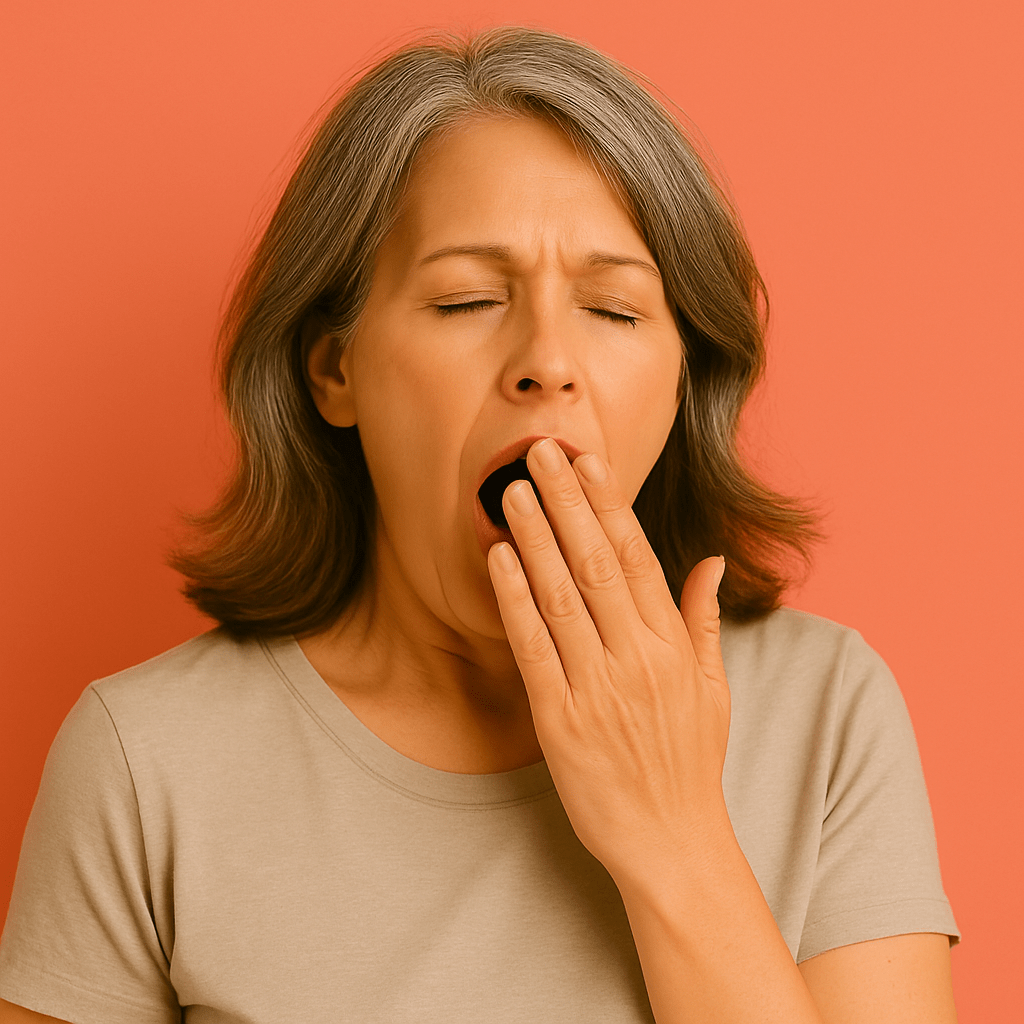
You used to run on six hours of sleep, manage a full day of work, hit the gym, make dinner, and still have energy for friends. Now you need a nap after a morning of emails. You’re sleeping eight hours and waking up exhausted. Coffee does nothing. You feel like you’re moving through water, every task requiring twice the effort it used to. You’re not just tired—you’re depleted in a way you’ve never experienced.
Yes. Perimenopause can cause significant, sometimes debilitating fatigue.
This isn’t the regular tiredness of a busy life or normal aging. It’s a bone-deep exhaustion driven by hormonal chaos, sleep disruption, metabolic changes, and often compounded by iron deficiency. For many women, fatigue is one of the earliest and most persistent perimenopause symptoms—sometimes appearing before periods become noticeably irregular.
This fatigue can be severe enough to affect your work performance, your relationships, and your ability to do basic daily tasks. It’s not in your head. It’s not laziness. It’s a physiological response to dramatic hormonal shifts happening in your body.
Here’s what’s actually happening, how to tell if your fatigue is perimenopause-related versus something else that needs treatment, what tests to request, and what actually helps.
You’re Not Alone: How Common Is Perimenopause Fatigue?
Fatigue is one of the most commonly reported perimenopause symptoms, yet it’s consistently overlooked or dismissed by healthcare providers who focus on more “obvious” symptoms like hot flashes.
Studies suggest 80-90% of perimenopausal women experience some degree of fatigue. For approximately 20-30%, the fatigue is severe enough to significantly impact daily function—calling in sick to work, canceling plans, struggling to keep up with basic household tasks.
Fatigue often appears in early perimenopause, sometimes years before other recognizable symptoms. Many women say exhaustion was their first sign something was changing, though they didn’t connect it to hormones at the time.
Why it’s underreported and overlooked:
Women often don’t connect profound fatigue to hormonal changes. They blame stress, overwork, aging, or their busy schedules. Healthcare providers frequently attribute it to the same things—”everyone gets tired,” “you’re doing too much,” “have you tried managing your stress better?”
It’s not as dramatic as a hot flash, so it doesn’t trigger the “oh, this is menopause” recognition. Many women dismiss it themselves for months or years before seeking help.
If you’ve been told “everyone gets tired” or that you just need better sleep hygiene while you’re literally struggling to stay awake during meetings despite eight hours in bed, that response is insufficient. While stress and lifestyle matter, perimenopause creates specific physiological changes that cause fatigue independent of your schedule or stress management skills.
This is a recognized, common perimenopause symptom that deserves real investigation and treatment.
Why Perimenopause Causes Fatigue: What’s Happening in Your Body
Perimenopause fatigue isn’t one simple problem. It’s multiple systems being disrupted simultaneously, often creating a perfect storm of exhaustion.
Hormone Fluctuations: The Primary Driver
Estrogen isn’t just about reproduction. It affects mitochondrial function—your cells’ energy production factories. When estrogen fluctuates wildly in perimenopause (which it does—spiking one week, crashing the next), your cellular energy production becomes unstable. Some days your mitochondria are operating efficiently. Other days they’re not.
Estrogen also influences serotonin and dopamine production, neurotransmitters that affect energy, motivation, and mental stamina. Erratic estrogen means erratic neurotransmitter levels, which translates to unpredictable energy and motivation.
Progesterone has calming, sometimes sedating effects. In a normal cycle, progesterone rises after ovulation and helps you sleep deeply. In perimenopause, progesterone often drops earlier and more dramatically than estrogen. When progesterone is low, you may feel wired and anxious despite being exhausted, which disrupts sleep quality. You’re tired but can’t achieve restorative sleep.
The cortisol connection is significant. Perimenopause can dysregulate your cortisol rhythm—your body’s primary stress hormone. Normal cortisol pattern: high in the morning (gives you energy to wake up and face the day), low at night (helps you wind down and sleep).
In perimenopause, this pattern can flatten or even reverse. You wake up exhausted with low morning cortisol, struggle through the day, then feel wired at night when cortisol should be dropping. This creates a vicious cycle: poor sleep worsens cortisol dysfunction, which worsens sleep quality, which deepens fatigue.
Sleep Disruption: The Amplifier
Even if you’re “in bed” for eight hours, you may not be getting restorative sleep.
Night sweats and hot flashes wake you repeatedly throughout the night. Even if you don’t consciously wake up, these events disrupt your sleep architecture—you miss out on deep, restorative sleep stages. You cycle through lighter sleep stages over and over, never getting the deep sleep your body needs to recover.
Result: You wake up feeling like you barely slept, despite being in bed all night.
Perimenopause also brings specific insomnia patterns. Difficulty falling asleep driven by anxiety and racing thoughts. Waking at 3 AM and lying awake for hours, unable to get back to sleep (this is a classic perimenopause pattern). Restless, light sleep with frequent waking.
All of this is driven by hormone fluctuations affecting sleep neurotransmitters—particularly GABA, serotonin, and melatonin.
Months or years of disrupted sleep create profound, cumulative exhaustion. Your body never fully recovers. This compounds the direct hormonal effects on cellular energy production.
Iron Deficiency from Heavy Periods
This is often missed but extremely common in perimenopause and a major contributor to fatigue.
Perimenopause frequently brings heavier, longer periods. Some women who had light periods their whole lives suddenly soak through pads in an hour or pass large clots. This chronic blood loss depletes iron stores.
Iron is essential for hemoglobin production (which carries oxygen in your blood) and energy production at the cellular level. Even “low-normal” iron stores—ferritin levels of 15-30 ng/mL—can cause significant fatigue, weakness, brain fog, and shortness of breath with minimal exertion.
Why it’s overlooked: Many doctors only check hemoglobin (the iron in your red blood cells) and miss ferritin (your stored iron reserves). Your hemoglobin might look fine while your ferritin is bottomed out. By the time hemoglobin drops, you’re severely anemic.
Thyroid Function Changes
Perimenopause can trigger thyroid dysfunction, and hypothyroidism (underactive thyroid) is particularly common. Fluctuating estrogen affects how your body metabolizes thyroid hormones. Even “subclinical” hypothyroidism—where TSH is slightly elevated but still in the “normal” range—can cause significant fatigue.
Thyroid problems become more common during the perimenopausal years and should always be tested when fatigue is significant.
Metabolic Changes
Perimenopause slows your metabolism. The way your body processes glucose (blood sugar) changes, which can create energy crashes. Muscle mass naturally declines without estrogen’s support, reducing your overall metabolic capacity and making you feel more sluggish.
The Compounding Effect
These factors don’t exist in isolation. You might have hormone-disrupted sleep plus iron deficiency from heavy periods plus subclinical hypothyroidism plus cortisol dysfunction all happening simultaneously.
This is why perimenopause fatigue can feel so overwhelming and all-consuming. It’s also why simple solutions like “get more sleep” or “drink less coffee” don’t touch the problem. You’re dealing with multiple overlapping physiological disruptions.
Is It Perimenopause or Something Else? How to Tell the Difference
Perimenopause fatigue is real and common, but it’s not the only possible cause of profound exhaustion. Here’s how to distinguish perimenopause from other conditions—and when to get tested.
Perimenopause Fatigue Pattern
Typical characteristics:
- Fluctuating energy that waxes and wanes—some days or weeks are worse than others
- May correlate with cycle changes, though the connection isn’t always obvious
- Accompanied by other perimenopause symptoms (irregular periods, night sweats, mood changes, brain fog, changes in skin/hair)
- Often worsens with poor sleep
- Age range typically 40-55
- May improve with hormone therapy or sleep optimization
Key distinguishing feature: Variability. Perimenopause fatigue isn’t constant and steady—it fluctuates, sometimes unpredictably. You might have a terrible week followed by a few decent days, then crash again.
Thyroid Dysfunction (Hypothyroidism)
How it’s different:
- Fatigue is usually constant and progressively worsening (gets steadily worse over time)
- Other symptoms: Unexplained weight gain, feeling cold all the time, constipation, very dry skin, hair loss or thinning, slow heart rate, puffy face
- Doesn’t fluctuate with menstrual cycle
- Brain fog and difficulty concentrating
Important note: Thyroid problems are more common during perimenopause, so you can have both happening simultaneously.
Testing needed:
- TSH (thyroid stimulating hormone)—optimal range is 0.5-2.5, not just “normal” (normal range is 0.4-4.5, which is too broad)
- Free T4 and Free T3 (not just TSH alone)
- Thyroid antibodies (TPO and TG) if TSH is borderline or symptoms are strong
Iron Deficiency Anemia
How it’s different:
- Fatigue that worsens with physical exertion—climbing a flight of stairs feels impossible
- Shortness of breath with minimal activity
- Pale skin, pale inner eyelids, pale nail beds
- Restless legs at night
- Ice cravings (pica) in severe cases
- Cold hands and feet
- Often accompanies heavy periods in perimenopause
Testing needed:
- Complete blood count (CBC)—checks hemoglobin and hematocrit
- Ferritin—stored iron (CRITICAL: you must request this specifically, not just “iron levels”)
- Serum iron, TIBC (total iron binding capacity), transferrin saturation for complete picture
Optimal levels:
- Ferritin should ideally be above 50 ng/mL for good energy (many women feel best at 70-100)
- Standard “normal” range of 15-150 is too broad—low-normal isn’t optimal for energy
Depression
How it’s different:
- Fatigue accompanied by persistent low mood, sadness, or emptiness
- Loss of interest or pleasure in activities you used to enjoy
- Feelings of worthlessness, guilt, or hopelessness
- Changes in appetite (significant increase or decrease)
- Difficulty concentrating or making decisions
- Possible thoughts of death or suicide
The complication: Perimenopause can cause or worsen depression because hormones directly affect mood neurotransmitters. These conditions can and often do coexist.
Key differentiator: If fatigue is your primary or only symptom and your mood is generally fine when you have energy, primary depression is less likely. If mood symptoms are prominent and persistent, depression should be evaluated.
Chronic Fatigue Syndrome (ME/CFS)
How it’s different:
- Post-exertional malaise (PEM)—the hallmark symptom. Activity makes fatigue significantly worse for 24-72 hours afterward
- Fatigue is severe, constant, and doesn’t improve meaningfully with rest
- Often triggered by viral illness or other immune challenge
- Additional symptoms: Unrefreshing sleep (wake up feeling terrible no matter how long you slept), significant cognitive dysfunction (“brain fog”), orthostatic intolerance (dizziness upon standing)
- Debilitating—often unable to maintain work or normal daily activities
Key differentiator: Perimenopause fatigue usually improves somewhat with rest and doesn’t have the characteristic post-exertional malaise. With CFS, even minor activity (a shower, a short walk) can trigger a “crash” lasting days.
Sleep Apnea
How it’s different:
- Loud snoring (often reported by bed partner)
- Gasping, choking, or snorting during sleep
- Morning headaches
- Excessive daytime sleepiness—falling asleep during quiet activities (reading, watching TV)
- Weight gain, particularly around the neck
- High blood pressure
Risk factors: Weight gain during perimenopause increases sleep apnea risk. Declining estrogen also affects upper airway muscle tone.
Testing needed: Sleep study (polysomnography) if suspected
When to See Your Doctor and What Tests to Request
See your doctor if:
- Fatigue is severe enough to significantly impact your work, relationships, or ability to complete daily tasks
- Fatigue has been persistent for three months or more despite adequate sleep opportunities
- You have other concerning symptoms (unexplained significant weight changes, severe depression, chest pain, severe shortness of breath, fainting)
- You have heavy menstrual periods (risk of iron deficiency)
- Simple rest and basic lifestyle changes haven’t helped at all
Essential Tests to Request
Come prepared with specific requests. “I’m tired” often gets dismissed; “I’d like comprehensive testing for fatigue” with specific labs mentioned gets taken more seriously.
Thyroid panel (comprehensive):
- TSH—request optimal range interpretation (0.5-2.5), not just “normal”
- Free T4
- Free T3
- TPO antibodies and thyroglobulin antibodies (if TSH is borderline or symptoms are strong)
- CBC (complete blood count)
- Ferritin (stored iron—the most important test; must specifically request this)
- Serum iron
- TIBC (total iron binding capacity)
- Transferrin saturation
Hormone levels:
Note: Hormone levels fluctuate dramatically day-to-day in perimenopause, so single tests may not be very informative. However, these can help confirm you’re in perimenopause:
- FSH (follicle stimulating hormone)—elevated in perimenopause
- Estradiol—fluctuates wildly; single measurement may not mean much
- Progesterone—often low in perimenopause
Additional tests to consider:
- Vitamin B12 and folate (deficiency causes fatigue)
- Vitamin D (optimal level 40-60 ng/mL; many perimenopausal women are deficient)
- Fasting glucose and HbA1c (blood sugar regulation affects energy)
- Morning cortisol (checking adrenal function)
- Four-point salivary cortisol (shows daily rhythm, though interpretation is somewhat controversial)
Important: Don’t accept “your levels are normal” without seeing the actual numbers and ranges. “Normal” ranges are very broad. Optimal function often requires levels in specific parts of the normal range, not just anywhere within it.
Bring a symptom diary: Track your energy levels, sleep quality, menstrual cycle patterns, and other symptoms for at least two weeks before your appointment. Note patterns—does fatigue correlate with certain cycle days? Worse after poor sleep? This data helps your doctor see patterns and take your concerns seriously.
What Actually Helps Perimenopause Fatigue: Treatment Options
Managing perimenopause fatigue usually requires addressing multiple factors simultaneously. There’s rarely one magic fix, but meaningful improvement is absolutely possible.
Hormone Replacement Therapy (HRT)
How it helps: HRT stabilizes the erratic hormone fluctuations that drive many fatigue mechanisms. It improves sleep quality by reducing night sweats and supporting deeper sleep architecture. It supports mitochondrial function and cellular energy production. Many women report significant energy improvement within 6-12 weeks of starting HRT.
Types:
- Estrogen plus progesterone (for women with a uterus)
- Estrogen alone (for women who’ve had a hysterectomy)
- Various delivery methods: pills, patches, creams, gels, vaginal rings
Realistic expectations:
- May take 6-12 weeks to see full energy benefits
- Won’t eliminate all fatigue, especially if significant sleep debt has accumulated
- Most effective when started during perimenopause rather than years after menopause
- Works best in combination with sleep optimization and addressing any deficiencies
Discuss with your doctor if:
- Fatigue significantly impacts your quality of life
- You have other bothersome perimenopause symptoms (hot flashes, mood changes, etc.)
- You’re interested in addressing the root hormonal causes
- You’re within 10 years of menopause onset or under age 60 (current guidelines for initiating HRT)
Important: HRT isn’t appropriate for everyone. Personal and family medical history affects whether it’s safe for you. This requires an individualized discussion with your healthcare provider.
Sleep Optimization: Your Biggest Lever
Sleep quality is often the most impactful thing you can address, and it’s something you have significant control over.
Address night sweats and hot flashes:
- Keep bedroom cool (65-68°F)
- Use moisture-wicking sheets and pajamas (bamboo, special performance fabrics)
- Bedside fan pointed at you
- Consider HRT or SSRI/SNRI medications that reduce hot flashes (venlafaxine, paroxetine)
- Layer bedding so you can adjust easily
- Avoid triggers: alcohol, spicy foods, large meals within 3 hours of bedtime, hot showers right before bed
Sleep hygiene basics (yes, they actually matter):
- Consistent sleep and wake times, even on weekends (helps regulate circadian rhythm)
- Completely dark room (blackout curtains, cover any lights)
- Cool room temperature
- No screens 1-2 hours before bed (blue light suppresses melatonin)
- No caffeine after noon (half-life is 5-6 hours, but effects linger)
- Gentle movement during the day helps sleep quality at night
Supplements that may help sleep:
- Magnesium glycinate (300-400mg before bed)—supports sleep, muscle relaxation, doesn’t cause morning grogginess
- Melatonin (0.5-3mg)—helps with sleep onset; start with lowest dose
- L-theanine (200-400mg)—calming without sedation
- Glycine (3g before bed)—supports sleep quality
When to consider a sleep study: If you have loud snoring, gasping during sleep, excessive daytime sleepiness, or morning headaches, get evaluated for sleep apnea.
Iron Supplementation (If Deficient)
If ferritin is low (below 50 ng/mL):
- Elemental iron 25-65mg daily
- Ferrous bisglycinate is best absorbed and gentlest on the stomach
- Take with vitamin C (orange juice, supplement) to enhance absorption
- Take on an empty stomach if you can tolerate it, or with food if it causes nausea
- Avoid calcium, coffee, or tea within 2 hours (they block iron absorption)
- Recheck ferritin in 8-12 weeks to assess improvement
Important: Do not supplement iron without testing first. Excess iron is harmful and can cause organ damage.
If heavy periods are depleting iron: Address the root cause. Discuss period management options with your doctor:
- Hormonal IUD (Mirena, Liletta)—lightens or stops periods
- Birth control pills—regulate cycles, lighten bleeding
- Tranexamic acid—reduces heavy bleeding during periods
- Ablation or other interventions if medical management doesn’t work
Thyroid Treatment (If Indicated)
If tests show hypothyroidism, levothyroxine (synthetic T4) is the standard treatment.
Optimization notes:
- TSH should ideally be 0.5-2.5 on treatment, not just “in range”
- Some women need T3 supplementation (liothyronine or desiccated thyroid) in addition to T4
- Recheck levels 6-8 weeks after any dose change
- Full symptom resolution may take 3-6 months
- Take thyroid medication on an empty stomach, at least 30-60 minutes before food, and at least 4 hours away from calcium, iron, or magnesium supplements
Lifestyle Strategies That Actually Help
Strategic caffeine use:
- Limit to early in the day (before noon)
- Moderate amounts (1-2 cups of coffee)
- More caffeine isn’t better—it can worsen sleep and create afternoon crashes
- Some women do better eliminating caffeine entirely during perimenopause
Blood sugar stability:
- Eat protein with every meal and snack
- Avoid large carbohydrate loads without protein and fat to balance them
- Eat every 3-4 hours to prevent blood sugar crashes
- Limit refined sugars and processed carbs (they create energy spikes followed by crashes)
Movement (the exercise paradox):
- Gentle, regular movement improves energy over time
- Overdoing it can worsen fatigue and disrupt recovery
- Start small: 10-15 minute walks daily
- Prioritize consistency over intensity
- Listen to your body—if you feel worse after exercise, you’re doing too much
Stress management:
- Chronic stress depletes energy reserves and worsens cortisol dysfunction
- Meditation, deep breathing exercises, gentle yoga
- Therapy or counseling if perimenopause is affecting mental health
- Say no more often—conserve your limited energy for what truly matters
- Lower standards temporarily where you can
Supplements to Consider (Discuss with Your Doctor)
CoQ10: Supports mitochondrial energy production (100-200mg daily). Some evidence for fatigue improvement.
B-complex vitamins: Support energy metabolism. Particularly important if you’re low in B12.
Vitamin D: Deficiency causes fatigue. Optimal level 40-60 ng/mL. Many perimenopausal women are deficient.
Ashwagandha: Adaptogen that may help cortisol regulation and stress resilience (300-600mg daily). Some studies show fatigue improvement.
Rhodiola: May improve energy and mental stamina (200-400mg, usually morning dose).
Reality check: Supplements support your system but don’t replace addressing root causes like hormones, sleep quality, iron deficiency, or thyroid dysfunction.
Living with Perimenopause Fatigue: Practical Energy Management
While you’re working on root causes and waiting for treatments to take effect, you still need to function. Here’s how to manage limited energy day-to-day.
Energy Pacing (Spoon Theory)
Think of your energy as a limited resource—you have a certain number of energy “units” each day, and each activity costs some. You can’t do everything.
Practical pacing:
- Don’t schedule demanding activities back-to-back
- Build in rest periods between tasks
- Alternate high-energy and low-energy activities
- Give yourself explicit permission to do less than you used to
- Prioritize ruthlessly—what truly matters most?
Strategic Rest
Power naps (if you can):
- 10-20 minutes can help significantly
- Longer naps may cause grogginess
- Early afternoon is ideal timing
- Don’t nap if you have nighttime insomnia (it may worsen it)
Rest doesn’t always mean sleep:
- Lying down with eyes closed for 10 minutes
- Meditation or deep breathing
- Gentle stretching
- Sitting quietly without screens
Communication at Work
You don’t owe anyone your complete medical history, but strategic communication can help.
With your supervisor: “I’m managing a medical condition that sometimes affects my energy levels. I’m working with my doctor and doing everything I can to manage it. I may occasionally need flexibility with [start times/work location/deadlines].”
With colleagues: Keep it vague if you prefer: “I’m dealing with some health stuff” is sufficient. Set boundaries around social activities that drain you without adding value.
Home Life Adjustments
Lower your standards temporarily:
- The house doesn’t need to be spotless
- Convenience foods and takeout are fine when you’re exhausted
- Ask or expect family members to step up with chores
- Hire help if financially feasible (cleaning service, grocery delivery, meal services)
Say no strategically:
- Decline social obligations that don’t truly nourish you
- Protect weekend downtime for recovery
- Don’t volunteer for additional commitments right now
- Cancel plans when you need to without guilt
Self-Compassion
This is medical, not moral: You’re not lazy. This isn’t a character flaw or lack of willpower. Your worth as a person isn’t tied to your productivity. Your body is dealing with significant physiological disruption.
Acknowledge the grief: It’s okay to be frustrated and sad that you can’t do what you used to do. Missing your old energy is valid. This is a loss, even if it’s temporary.
When Does Perimenopause Fatigue Improve?
The honest answer: It varies, but there are patterns.
Many women find that fatigue improves once they reach postmenopause—after 12 months with no period. At that point, hormone levels stabilize at a new lower baseline. The chaotic fluctuations stop, and most women adjust to the new hormonal state within a year or two.
However:
- Perimenopause lasts an average of 4-8 years (sometimes longer)
- Fatigue may improve much earlier with treatment—HRT, sleep optimization, addressing iron or thyroid issues
- Some women experience persistent fatigue into postmenopause, especially if sleep disruption continues or other factors aren’t addressed
Factors that speed improvement:
- Starting HRT (stabilizes hormones)
- Successfully addressing underlying issues (thyroid dysfunction, iron deficiency, sleep apnea)
- Consistent sleep hygiene and optimization
- Effective stress management
- Regular gentle movement
May persist longer if:
- Sleep disruption goes untreated
- Chronic high stress continues
- Depression or anxiety aren’t addressed
- Iron or thyroid problems remain undiagnosed
- Very prolonged perimenopause transition (some women are in perimenopause for 10+ years)
The realistic picture: Some women experience dramatic energy return once they hit stable postmenopause. Others need ongoing management strategies. But for most, the extreme, debilitating exhaustion does improve significantly once hormone levels stabilize—whether that happens naturally in postmenopause or through HRT support during perimenopause.
Don’t just wait it out: Even if fatigue will eventually improve, you don’t have to white-knuckle through 5-8 years of exhaustion. Treatment and management strategies can dramatically improve your quality of life during the transition.
The Bottom Line
Yes, perimenopause can cause significant, sometimes debilitating fatigue. It’s driven by erratic hormone fluctuations that affect cellular energy production, disrupt sleep architecture, dysregulate cortisol, and often trigger or worsen thyroid dysfunction. Heavy periods common in perimenopause frequently cause iron deficiency, adding another layer to the fatigue.
This is real. This is common. This deserves investigation and treatment.
Key takeaways:
- 80-90% of perimenopausal women experience fatigue; for 20-30%, it’s severe
- Multiple factors contribute: hormone fluctuations, sleep disruption, iron deficiency, thyroid changes, cortisol dysfunction, metabolic shifts
- Rule out other causes with comprehensive testing: thyroid panel, iron studies including ferritin, vitamin B12, vitamin D
- Treatment options exist: HRT stabilizes hormones, sleep optimization addresses a major driver, iron supplementation corrects deficiency, thyroid medication treats hypothyroidism
- Lifestyle strategies help: blood sugar stability, strategic caffeine use, gentle movement, stress reduction
- Energy management is essential while addressing root causes: pacing, strategic rest, lowering standards temporarily
- Most women see improvement in postmenopause when hormones stabilize
Action steps:
- Track your symptoms, energy patterns, and sleep quality for 2-4 weeks before your doctor appointment
- Schedule an appointment and request comprehensive testing (thyroid panel, ferritin, B12, vitamin D at minimum)
- Optimize sleep aggressively—this is often your biggest lever for improvement
- Consider discussing HRT if symptoms significantly impact your quality of life
- Practice energy pacing and extend yourself compassion while you find solutions
Final message:
You don’t have to accept profound exhaustion as your new normal. This is a medical issue with real physiological causes and real treatment options. If your doctor dismisses your fatigue as “just stress” or “part of getting older” without comprehensive evaluation, find a provider who takes perimenopause seriously.
Your energy matters. Your quality of life matters. You deserve to feel functional in your body. Solutions exist—you just need to find the right combination for your specific situation.
Learn More
- Perimenopause Symptoms: The Complete Guide to 40+ Signs Your Body is Changing
- Perimenopause and Hip Pain: Causes, Relief & When to Worry
- The Truth About Menopause Hormone Balance: An Expert Guide for Women Over 45
- Birth Control Pills for Perimenopause: Complete Guide to the Pill in Your 40s
This article is for informational and educational purposes only and does not constitute medical advice. The content provided is not intended to be a substitute for professional medical advice, diagnosis, or treatment. Always seek the advice of your physician or other qualified health provider with any questions you may have regarding a medical condition or treatment.
