
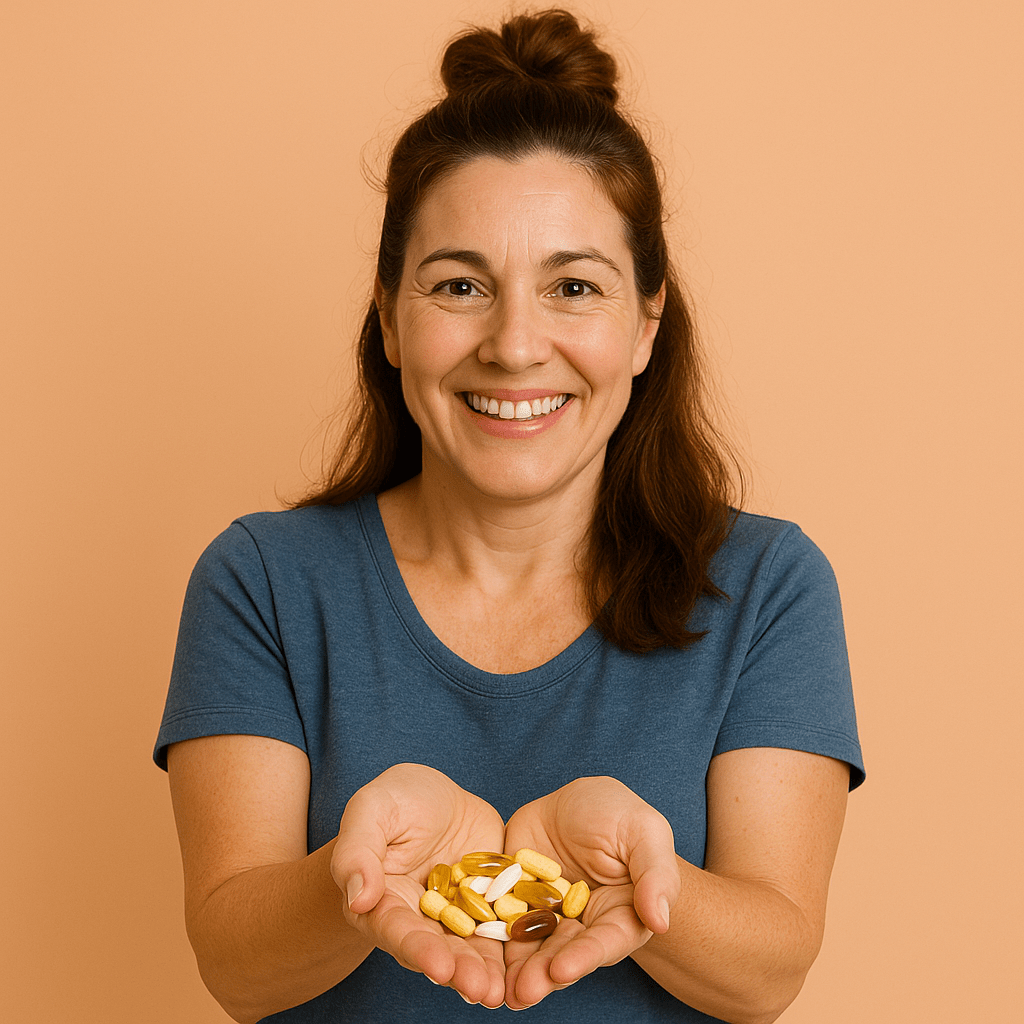
Walk into any pharmacy or scroll through Amazon, and you’ll find dozens of supplements promising to ease perimenopause symptoms. The problem? Many won’t deliver on those promises. But some actually do have research behind them—and knowing the difference can save you money, frustration, and months of wondering why that expensive bottle isn’t helping.
Finding the best supplements for perimenopause requires cutting through marketing hype to focus on what science actually supports. Some supplements have solid evidence, others show promise but need more research, and plenty are little more than wishful thinking in capsule form.
This guide breaks down what works, what might work, and what to skip—plus practical guidance on dosages, quality, and how to build a supplement routine that actually supports you through this transition.
What to Know Before Taking Perimenopause Supplements
Before you fill your cart, understanding a few key points will help you make smarter choices and set realistic expectations.
Supplements Aren’t Regulated Like Medications
Unlike prescription drugs, dietary supplements don’t require FDA approval before hitting store shelves. The FDA only steps in after a product is on the market if safety problems emerge. This means quality varies dramatically between brands—some contain exactly what the label claims, while others fall short or include contaminants.
This is why third-party testing matters. Organizations like USP (United States Pharmacopeia), NSF International, and ConsumerLab independently verify that products contain what they claim and are free from harmful contaminants. Paying a bit more for verified products is worth it.
What the Research Actually Shows
Here’s the honest truth: most supplements produce modest effects compared to hormone therapy. The North American Menopause Society acknowledges that while some women find relief with supplements, hormone therapy remains the most effective treatment for significant vasomotor symptoms like hot flashes.
The placebo effect is also substantial in menopause research—often 30% or more of women in placebo groups report improvement. This doesn’t mean supplements don’t work, but it does mean some of the benefit you experience might come from expectation rather than the supplement itself.
Individual response varies significantly. What helps your friend might do nothing for you, and vice versa. This isn’t a failure—it’s biology.
When Supplements Make Sense
Supplements are reasonable choices when you’re experiencing mild to moderate symptoms, prefer to start with natural approaches, can’t take hormone therapy for medical reasons, or want complementary support alongside other treatments.
They’re less appropriate as your only strategy for severe symptoms that significantly impact your quality of life. If perimenopause is disrupting your sleep, work, relationships, or mental health, talk to your doctor about all your options—including hormone therapy.
Best Supplements for Hot Flashes and Night Sweats
Hot flashes top the list of perimenopause complaints, and they’re the symptom with the most supplement research behind it.
Black Cohosh
Black cohosh is one of the most studied herbs for menopausal symptoms, with decades of use in Europe and growing research in the United States. According to the National Center for Complementary and Integrative Health, some studies suggest it may help reduce hot flash frequency and intensity, though results across studies are mixed.
The mechanism isn’t fully understood—it doesn’t appear to work like estrogen, despite early assumptions. Current thinking suggests it may affect serotonin receptors, which play a role in temperature regulation.
What to know:
- Typical dose: 20-40mg of standardized extract twice daily
- Look for products standardized to triterpene glycosides (the active compounds)
- Allow 4-8 weeks for full effects
- Generally well-tolerated; rare reports of liver issues mean you should mention it to your doctor, especially if you have liver conditions
- Don’t use if pregnant or breastfeeding
Black cohosh may also support mood and sleep, making it a reasonable starting point for women with multiple symptoms.
Soy Isoflavones
Soy contains phytoestrogens—plant compounds that bind weakly to estrogen receptors in the body. The North American Menopause Society notes that soy isoflavones may modestly reduce hot flash frequency and severity for some women.
Here’s an interesting wrinkle: your gut bacteria affect how well soy works for you. Some people have bacteria that convert soy isoflavones into equol, a more potent compound. These “equol producers” tend to see better results. Unfortunately, there’s no easy way to know which camp you’re in without specialized testing.
What to know:
- Typical supplement dose: 40-80mg isoflavones daily
- Food sources (tofu, tempeh, edamame, miso) may be more effective than supplements
- Takes 4-12 weeks for full effect
- Generally safe; discuss with your doctor if you have a history of hormone-sensitive conditions like breast cancer
- Consider trying food sources before supplements
Red Clover
Red clover contains isoflavones similar to those in soy, and it’s been traditionally used for menopausal symptoms. The evidence is mixed—some studies show benefits for hot flashes, while others find no significant effect compared to placebo.
According to research reviewed by the NIH, red clover appears safe for short-term use in most women. It may have additional benefits for cardiovascular health, including improving cholesterol profiles.
What to know:
- Typical dose: 40-160mg isoflavones daily
- May have mild blood-thinning effects; use caution if you’re on anticoagulants
- Less robust evidence than black cohosh or soy
- Worth trying if other options haven’t helped
Best Supplements for Mood, Anxiety, and Stress
Perimenopause can feel like an emotional rollercoaster, and the mood changes aren’t “just in your head”—they’re driven by real hormonal fluctuations affecting brain chemistry.
Ashwagandha
Ashwagandha is an adaptogenic herb with a growing body of research supporting its use for stress and anxiety. Adaptogens help your body manage stress more effectively, and ashwagandha specifically has been shown to reduce cortisol levels in stressed adults.
A study published in the Journal of the American Nutraceutical Association found that ashwagandha significantly reduced anxiety and improved overall well-being. More recent research has specifically examined its benefits in perimenopausal women, with promising results for mood, sleep, and even sexual function.
What to know:
- Typical dose: 300-600mg standardized root extract daily
- Look for products standardized to withanolides (active compounds)
- Can be taken morning or evening; some find it mildly energizing, others calming
- May take 4-8 weeks for full effects
- Avoid during pregnancy; use caution with thyroid conditions (may increase thyroid hormone levels)
- Can help with fatigue and brain fog as well as mood
Magnesium
If you take only one supplement during perimenopause, magnesium is a strong contender. This mineral is involved in over 300 enzymatic reactions in your body, including those governing mood, sleep, muscle function, and stress response.
The problem? Many women don’t get enough. Stress depletes magnesium, and modern diets often fall short. The NIH Office of Dietary Supplements notes that many Americans consume less than the recommended amount.
Magnesium supports healthy GABA levels—your brain’s calming neurotransmitter—which may explain its benefits for anxiety and sleep. It also helps with muscle cramps, headaches, and constipation, all common perimenopause complaints.
What to know:
- Typical dose: 200-400mg daily
- Different forms serve different purposes:
- Magnesium glycinate: Best absorbed, calming, good for anxiety and sleep
- Magnesium citrate: Well-absorbed, also helps with constipation
- Magnesium oxide: Poorly absorbed, mainly useful for constipation
- Start with a lower dose to avoid digestive upset
- Take glycinate in the evening for sleep benefits
- Very safe for most people; reduce dose if you experience loose stools
B Vitamins
B vitamins are essential for energy production, nervous system function, and neurotransmitter synthesis—including serotonin and dopamine, which directly affect mood.
Vitamin B6 is particularly important for mood regulation, while B12 deficiency becomes more common with age and can contribute to fatigue, brain fog, and even depression. According to the NIH, absorption of B12 from food decreases with age, making supplementation more relevant for midlife women.
What to know:
- A B-complex providing 100% or more of daily values for key B vitamins covers your bases
- Look for activated forms for better absorption: methylfolate (B9), methylcobalamin (B12), pyridoxal-5-phosphate (B6)
- B vitamins are water-soluble—excess is excreted, so toxicity is rare
- Take with food to prevent stomach upset
- Can be energizing; take in the morning
Best Supplements for Sleep Problems
Sleep disruption is one of the most debilitating aspects of perimenopause—and unfortunately, one of the hardest to treat. Night sweats play a role, but hormonal changes also directly affect sleep architecture.
Magnesium Glycinate
Magnesium deserves a second mention specifically for sleep. The glycinate form is particularly effective because glycine itself has calming properties. Together, they support relaxation and may help you both fall asleep and stay asleep.
Research published in the Journal of Research in Medical Sciences found that magnesium supplementation improved subjective measures of insomnia in older adults, including sleep time, sleep efficiency, and early morning waking.
What to know:
- Take 200-400mg about 1-2 hours before bed
- Start with a lower dose and increase as needed
- Consistent nightly use is more effective than occasional use
- Safe to combine with other sleep-supportive supplements
Melatonin
Melatonin is the hormone your body naturally produces to regulate sleep-wake cycles, and production declines with age. Supplementing can help reset disrupted sleep patterns—particularly useful when night sweats are waking you up and making it hard to fall back asleep.
The Sleep Foundation notes that melatonin is generally considered safe for short-term use and can be particularly helpful for people with delayed sleep phase (trouble falling asleep at a reasonable hour).
What to know:
- Less is often more: 0.5-3mg is typically effective; higher doses aren’t better and may cause grogginess
- Take 30-60 minutes before your target bedtime
- Best for short-term use or intermittent use; discuss long-term use with your doctor
- Can help reset sleep patterns disrupted by night sweats or schedule changes
- May not help you stay asleep if waking is the main issue
Valerian Root
Valerian has been used as a sleep aid for centuries, and some research supports its effectiveness for improving sleep quality without next-day drowsiness. The NIH notes that while evidence is mixed, valerian appears safe for short-term use.
What to know:
- Typical dose: 300-600mg standardized extract, taken 30 minutes to 2 hours before bed
- Often combined with other calming herbs like lemon balm, passionflower, or hops
- May take 2-4 weeks of consistent use for full effect
- Has a distinctive smell that some find unpleasant (capsules help)
- Don’t combine with sedative medications or alcohol
Best Supplements for Energy and Brain Fog
“Perimenopause brain” is real—the mental fuzziness, word-finding difficulties, and fatigue that make you feel like you’re thinking through cotton wool.
Omega-3 Fatty Acids
Your brain is approximately 60% fat, and omega-3 fatty acids—particularly DHA—are crucial structural components. They also have anti-inflammatory effects that become increasingly important as estrogen’s protective anti-inflammatory properties decline.
The American Heart Association recommends omega-3s for cardiovascular health, but benefits extend to brain function, mood, and even skin health.
What to know:
- Typical dose: 1-2g combined EPA and DHA daily
- Look for products tested for purity (heavy metals, PCBs) by third parties like IFOS
- DHA is particularly important for brain health; EPA supports mood and inflammation
- Take with food containing fat for better absorption
- Algae-based options available for vegetarians/vegans
- Benefits accumulate over time; expect 8+ weeks for cognitive effects
Vitamin D
Vitamin D deficiency is extremely common, especially in midlife women, and affects far more than bone health. Low levels are associated with fatigue, depression, cognitive difficulties, and increased inflammation.
The Endocrine Society recommends testing vitamin D levels to determine individual needs, as requirements vary based on current levels, sun exposure, and other factors.
What to know:
- Get your levels tested (a simple blood test) to know where you stand
- Typical maintenance dose: 1,000-2,000 IU daily
- If deficient, you may need higher doses temporarily (per your doctor’s guidance)
- Vitamin D3 (cholecalciferol) is preferred over D2
- Take with a fat-containing meal for absorption
- Supports mood, energy, cognition, immune function, and bone health
Creatine
You might associate creatine with bodybuilders, but emerging research suggests it has significant benefits for brain health and mood—particularly in women.
The brain uses substantial amounts of creatine for energy metabolism, and studies have found that supplementation may improve cognitive function and reduce mental fatigue. Research published in Experimental Gerontology found cognitive benefits in older adults, and newer research is specifically examining benefits for perimenopausal women.
What to know:
- Typical dose: 3-5g daily
- Creatine monohydrate is the most studied and cost-effective form
- Very well-researched for safety; one of the most studied supplements available
- May cause minor water retention initially
- Benefits for mood and cognition are newer findings; research is promising but ongoing
Best Supplements for Bone Health
Bone loss accelerates during perimenopause as estrogen declines. While you can’t feel it happening, taking action now can significantly impact your bone density for decades to come.
Calcium
Your bones are constantly being broken down and rebuilt, and calcium is the primary mineral involved. The National Osteoporosis Foundation recommends 1,200mg daily for women over 50.
However, more isn’t better—and getting calcium from food is preferable to supplements when possible. High-dose calcium supplementation has been associated with increased cardiovascular risk in some studies, though this remains debated.
What to know:
- Aim for 1,200mg total daily (food + supplements)
- Count your dietary calcium first, then supplement the gap
- If supplementing, take in divided doses (500mg or less at a time) for better absorption
- Calcium carbonate: cheapest, but take with food for absorption
- Calcium citrate: can take anytime, better for those with low stomach acid
- Always pair with vitamin D for optimal absorption
Vitamin K2
Vitamin K2 works synergistically with calcium and vitamin D, helping direct calcium into bones and teeth rather than soft tissues like arteries. The Cleveland Clinic notes that K2 is particularly important for bone and cardiovascular health.
What to know:
- MK-7 form is best studied for bone health
- Typical dose: 100-200mcg daily
- Especially important if you’re supplementing calcium
- Found in fermented foods like natto, but most people prefer supplements
- May have additional cardiovascular benefits
Other Supplements Worth Considering
These supplements have less robust evidence but may help some women.
Evening Primrose Oil
Evening primrose oil contains gamma-linolenic acid (GLA), an omega-6 fatty acid traditionally used for hot flashes and breast tenderness. Research specifically for hot flashes is limited, but some women report benefit.
What to know:
- Typical dose: 500-1,000mg daily
- May help with breast tenderness and skin health
- Takes 8-12 weeks to assess effectiveness
- May affect blood clotting; use caution with anticoagulants
Maca Root
Maca is a Peruvian plant traditionally used for energy, stamina, and libido. Small studies suggest potential benefits for menopausal symptoms, energy, and sexual function.
What to know:
- Typical dose: 1,500-3,000mg daily
- Generally well-tolerated
- May help with energy and libido
- Evidence is promising but limited; larger studies needed
Probiotics
Your gut microbiome affects far more than digestion—including hormone metabolism, mood, and immune function. The gut microbiome changes during perimenopause, and supporting it may have broad benefits.
According to Harvard Health, probiotics may support digestive health, immune function, and potentially mood.
What to know:
- No single “best” probiotic strain; diversity may matter
- Look for products with multiple Lactobacillus and Bifidobacterium strains
- Some strains specifically support vaginal health
- Consider alongside prebiotic-rich foods (fiber feeds beneficial bacteria)
Supplements to Approach with Caution
Not everything marketed for menopause deserves your money—or your trust.
DHEA: This hormone precursor can convert to estrogen or testosterone in the body. It should only be used under medical supervision with hormone level monitoring.
Wild yam cream: Despite marketing claims, your body cannot convert compounds in wild yam into progesterone. Products that actually work contain synthetic progesterone added during manufacturing.
Proprietary blends: When labels list a “proprietary blend” without individual ingredient amounts, you can’t verify whether you’re getting effective doses of anything.
Products with outrageous claims: Any supplement promising to “eliminate all menopause symptoms” or “work overnight” is selling hype, not science.
Mega-doses: More is not better. High doses of fat-soluble vitamins (A, D, E, K) can accumulate to harmful levels, and even water-soluble vitamins in extreme doses can cause problems.
How to Choose Quality Supplements
The supplement market is the Wild West—quality varies enormously, and flashy marketing doesn’t indicate effectiveness.
Look for Third-Party Testing
Third-party certification is the single most important quality indicator. Look for seals from:
- USP (United States Pharmacopeia)
- NSF International
- ConsumerLab
These organizations independently verify that products contain what labels claim and are free from contaminants. According to ConsumerLab’s testing, a significant percentage of supplements fail to meet label claims, making verification crucial.
Read Labels Carefully
Look for standardized extracts with herbal supplements—this guarantees a consistent level of active compounds. Avoid proprietary blends that hide individual ingredient amounts. Check “other ingredients” for allergens, fillers, and artificial additives.
Start One at a Time
If you add multiple supplements simultaneously, you won’t know which one is helping (or causing side effects). Add one new supplement, give it 4-8 weeks, assess your response, then consider adding another.
Be Realistic About Price
Extremely cheap supplements should raise flags—quality testing and ingredients cost money. However, the most expensive option isn’t automatically best. Mid-range products from reputable brands with third-party testing offer the best value.
Creating Your Perimenopause Supplement Routine
With all these options, where do you actually start? Here’s a practical approach.
Foundation supplements (beneficial for most women):
- Vitamin D (get levels tested first)
- Magnesium glycinate (200-400mg)
- Omega-3 fatty acids (1-2g EPA/DHA)
Add based on your primary symptoms:
- Hot flashes: Black cohosh or soy isoflavones
- Mood/anxiety: Ashwagandha, increase magnesium
- Sleep: Magnesium glycinate in evening, melatonin short-term
- Brain fog/fatigue: Ensure B vitamins adequate, consider creatine
- Bone concerns: Calcium (if diet falls short), vitamin K2
Keep it manageable. You don’t need ten supplements. Start with the foundation, add one symptom-specific option, assess for 6-8 weeks, then adjust.
Track your symptoms. A simple daily log helps you identify what’s actually working versus what you hope is working.
Be patient. Most supplements need consistent use over weeks to months before you’ll notice meaningful effects. Jumping from product to product every two weeks won’t give anything a fair chance.
When Supplements Aren’t Enough
Supplements are one tool in your toolkit—not the only tool, and not always the best tool.
Consider talking to your doctor about other options if:
- Your symptoms significantly impact your work, relationships, or quality of life
- You’ve tried appropriate supplements consistently without meaningful improvement
- You’re experiencing depression, severe anxiety, or mood changes that feel unmanageable
- Sleep deprivation is affecting your health, safety, or daily functioning
- You have concerning symptoms like heavy or irregular bleeding
Hormone therapy is safe for most healthy women under 60 or within 10 years of menopause onset. The North American Menopause Society confirms that for women with bothersome symptoms, hormone therapy remains the most effective treatment and benefits typically outweigh risks for appropriate candidates.
Supplements and hormone therapy aren’t mutually exclusive. Many women use both—HRT for core symptom relief, supplements for additional support.
Frequently Asked Questions
What is the best supplement for perimenopause overall?
There’s no single best supplement for everyone. For broad foundational support, vitamin D, magnesium, and omega-3 fatty acids benefit most women regardless of specific symptoms. For hot flashes specifically, black cohosh has the most research. The best choice depends on your individual symptoms, health history, and what you’re already getting from your diet.
How long do perimenopause supplements take to work?
Most supplements require 4-12 weeks of consistent use before you’ll notice significant effects. Herbal supplements like black cohosh and ashwagandha typically need 6-8 weeks. Nutrients like magnesium may provide some benefits sooner, especially for sleep and muscle cramps. Be patient and consistent before deciding whether something is working.
Can I take multiple perimenopause supplements together?
Yes, many supplements can be safely combined. However, start one at a time so you can identify what’s helping. Common compatible combinations include vitamin D with calcium and K2, magnesium with B vitamins, or omega-3s with vitamin D. Always tell your healthcare provider what supplements you’re taking.
Are perimenopause supplements safe?
Most well-researched supplements are safe for healthy adults at recommended doses. However, supplements can interact with medications, and some aren’t appropriate for certain health conditions. Black cohosh requires caution with liver conditions, blood thinners interact with several supplements, and hormone-sensitive conditions may contraindicate phytoestrogens. Always discuss supplements with your healthcare provider.
Do perimenopause supplements actually work?
Some do, for some women. Supplements like vitamin D, magnesium, and omega-3s have strong evidence for general health benefits. Black cohosh has moderate evidence specifically for hot flashes. Individual response varies significantly—what helps one woman may not help another. Effects are typically more modest than hormone therapy, but many women find meaningful relief.
What supplements help with perimenopause weight gain?
No supplement directly causes significant weight loss. However, supporting overall metabolic health may help. Vitamin D (if you’re deficient), omega-3s, and magnesium support healthy metabolism. Protein supplements can help maintain muscle mass. Fiber supplements support gut health and satiety. The biggest factors for weight management remain diet quality, physical activity, sleep, and stress management.
Should I take supplements or hormone therapy for perimenopause?
This depends on symptom severity, your health history, and personal preferences. Supplements are reasonable for mild-moderate symptoms or as complementary support. Hormone therapy is more effective for moderate-severe symptoms and offers additional benefits for bone and heart health. Many women use both. This is a conversation to have with your healthcare provider.
What should I look for when buying perimenopause supplements?
Look for third-party testing certifications (USP, NSF, ConsumerLab), standardized extracts for herbal products, transparent labeling without proprietary blends, and reputable brands with good manufacturing practices. Avoid products with exaggerated claims, extremely low prices, or ingredients you can’t research independently.
The Bottom Line
The best supplements for perimenopause are the ones that address your specific symptoms, have reasonable evidence behind them, and come from quality sources. Start with the foundations—vitamin D, magnesium, and omega-3s—then add targeted support based on what’s bothering you most.
Be patient, be consistent, and be realistic. Supplements can genuinely help many women navigate perimenopause more comfortably, but they’re not miracle cures. They work best as part of a comprehensive approach that includes good nutrition, regular movement, stress management, adequate sleep—and medical support when you need it.
Your perimenopause journey is unique, and your supplement routine should be too. Pay attention to your body, track what’s working, and don’t hesitate to adjust course when something isn’t serving you.
This article is for informational and educational purposes only and does not constitute medical advice. The content provided is not intended to be a substitute for professional medical advice, diagnosis, or treatment. Always seek the advice of your physician or other qualified health provider with any questions you may have regarding a medical condition or treatment.
