
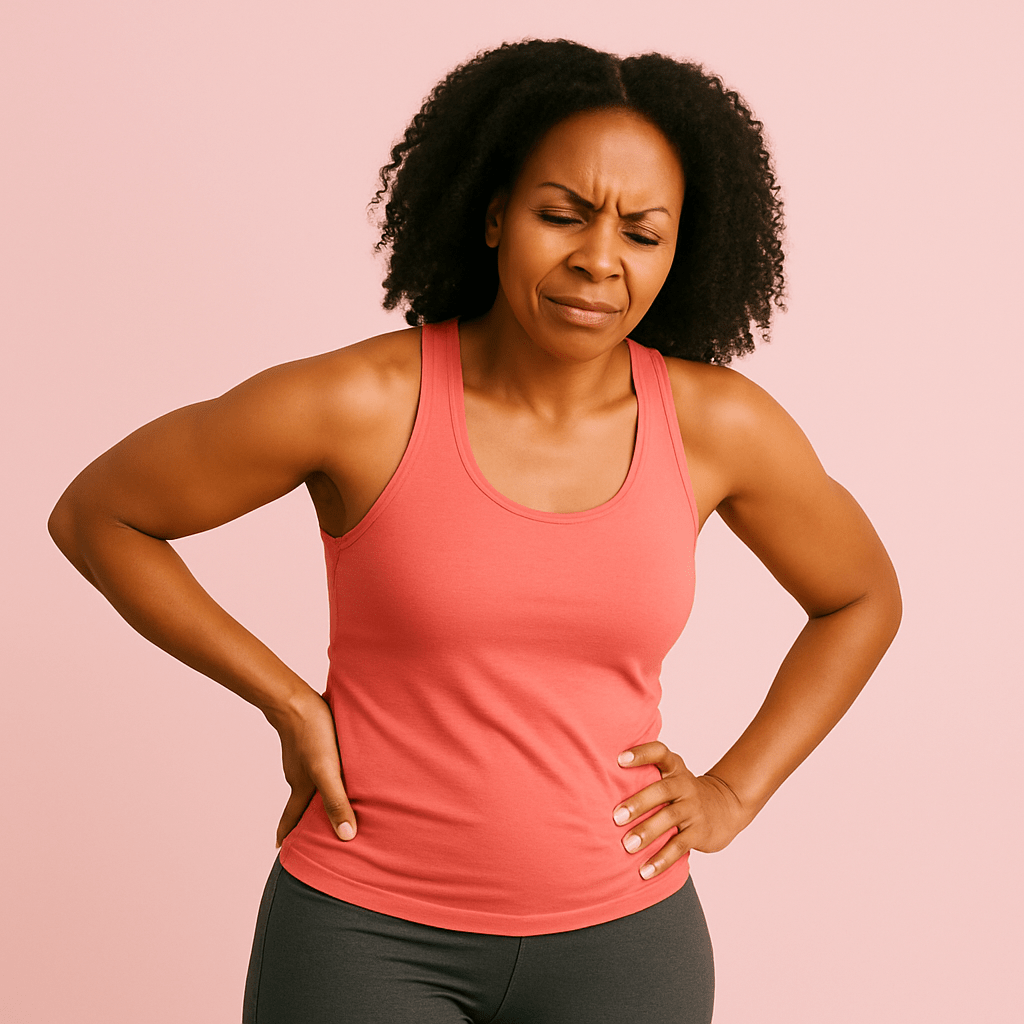
You’re not imagining it – that nagging ache in your hip might actually be connected to perimenopause. If you’ve found yourself wondering whether hormone changes could be causing your hip pain, you’re asking the right question. The answer is yes, and you’re far from alone.
Perimenopause and hip pain are more connected than most women (and even some doctors) realize. As estrogen levels fluctuate and decline during perimenopause, your joints – including your hips – can take a real hit. The pain is real, the cause is hormonal, and most importantly, there are effective treatments available.
In this guide, we’ll walk through why perimenopause causes hip pain, how to tell if that’s what’s happening to you, when you should see a doctor, and what actually works for relief. Whether you’re dealing with morning stiffness, pain when you exercise, or a constant ache that’s affecting your quality of life, there are answers here.
Can Perimenopause Cause Hip Pain? (The Quick Answer)
Yes – Here’s Why:
Estrogen does a lot more than regulate your menstrual cycle. It plays a crucial role in keeping your joints healthy by protecting cartilage, maintaining bone density, regulating inflammation, and supporting the muscles and ligaments around your joints. When estrogen levels drop during perimenopause, all of these protective effects decline too.
Your hip joints are particularly vulnerable because they’re weight-bearing joints that handle constant stress throughout the day. Without adequate estrogen, the cartilage in your hips can break down faster, inflammation increases, and the structures that support your hip joint don’t work as efficiently. The result? Pain, stiffness, and discomfort that can range from mildly annoying to significantly disabling.
It’s Not Just You:
Research shows that 40-50% of perimenopausal women experience joint pain. Hip pain specifically is one of the most common joint complaints during this transition, along with knee and hand pain. Yet it’s often one of the most unrecognized symptoms of perimenopause. Many women (and their doctors) attribute hip pain to aging, being overweight, or overdoing it at the gym – rarely making the connection to hormones.
The truth is, if you’re in your 40s or early 50s and suddenly dealing with hip pain you’ve never had before, perimenopause should absolutely be on your radar as a potential cause. Your experience is valid, your pain is real, and hormone-related joint pain is a recognized medical condition with effective treatments.
How Perimenopause Causes Hip Pain
Estrogen’s Role in Joint Health
Cartilage Protection:
Think of estrogen as your joints’ bodyguard. It protects the cartilage that cushions your hip joint, helping it stay smooth and slippery so your bones can move easily against each other. When estrogen declines, this protective effect weakens. The cartilage doesn’t regenerate as effectively, wear and tear accelerates, and inflammation increases. This can lead to pain, stiffness, and that feeling like your hip just isn’t moving as smoothly as it used to.
Bone Density:
Estrogen also keeps your bones strong. During perimenopause, bone loss accelerates – sometimes dramatically. This affects the bones that form your hip joint, potentially causing stress and pain as the structural integrity weakens. It’s also why perimenopausal women face increased osteoporosis risk, and why hip fractures become more common after menopause.
Inflammation Regulation:
Here’s something most people don’t know: estrogen acts as a natural anti-inflammatory in your body. When levels drop, inflammation increases throughout your system, including in your joints. This can cause swelling, pain, and that achy feeling that seems worse some days than others. The inflammatory response also makes your joints more sensitive to other triggers like stress, poor sleep, or certain foods.
Muscle and Ligament Effects:
Estrogen supports your connective tissues – the ligaments and tendons that hold your joints together. It also helps maintain muscle mass. During perimenopause, you might lose muscle mass faster (especially if you’re not actively strength training), and your connective tissues can become less resilient. Since the muscles around your hip are crucial for stability, any weakness here can lead to pain and increased injury risk.
Other Perimenopause Factors Contributing to Hip Pain
Weight Changes:
Many women gain weight during perimenopause, particularly around the midsection. Every extra pound you carry adds stress to your hips. Some studies suggest that each pound of weight gain adds four pounds of pressure on your hip joints. Beyond the number on the scale, body composition changes matter too – losing muscle while gaining fat means less support for your joints and more load to carry.
Sleep Disruption:
If you’re not sleeping well (hello, night sweats and insomnia), your pain is probably worse. Poor sleep increases pain sensitivity, impairs your body’s ability to recover and repair tissues, ramps up inflammation, and causes muscle tension. It’s a vicious cycle: perimenopause disrupts sleep, poor sleep worsens pain, and pain makes it harder to sleep.
Stress and Cortisol:
Perimenopause is often a stressful life stage, and chronic stress floods your body with cortisol. High cortisol levels increase inflammation, cause muscle tension, and amplify pain perception. Stress makes everything hurt more, and hip pain is no exception.
Activity Changes:
Sometimes hip pain comes from doing less, not more. If you’ve cut back on exercise because you’re exhausted or dealing with other perimenopause symptoms, your hip stabilizing muscles may have weakened. Or maybe you’re compensating for other aches and pains by moving differently, creating new stress on your hips. On the flip side, suddenly ramping up activity without adequate preparation can also trigger hip pain.
Symptoms: What Perimenopause Hip Pain Feels Like
Common Descriptions:
Women describe perimenopause hip pain in various ways, but these are the most common:
- A dull, deep ache in the hip joint itself
- Significant stiffness, especially first thing in the morning
- Pain with specific movements like getting out of a car, climbing stairs, or crossing your legs
- Increased pain after exercise that wasn’t problematic before
- Difficulty lying on that side at night
- Reduced range of motion when you try to move your hip in certain directions
- Grinding, clicking, or popping sensations with movement
- A feeling of weakness in the hip, like it might give out
Pain Patterns:
Perimenopause hip pain typically has a pattern: it’s often worse in the morning when you first get up (that’s the stiffness), improves as you start moving around, gets worse again after you’ve been sitting for a while, and may flare after activity. It can affect one hip or both, and some women notice the pain radiates down the thigh or into the buttock area.
Associated Symptoms:
Hip pain rarely shows up alone. Many women also experience pain in other joints (knees, hands, shoulders), lower back pain, overall fatigue, and other perimenopause symptoms like hot flashes, mood changes, or brain fog. The combination of symptoms can be a clue that hormones are the underlying issue.
How Common Is Hip Pain in Perimenopause?
Statistics:
Joint pain overall affects 40-50% of women during perimenopause and menopause, making it one of the most common – yet least discussed – symptoms of this transition. Hip pain specifically is frequently reported, though exact statistics vary because it’s been historically underrecognized and underreported.
Most women start experiencing joint and hip pain in their mid-40s to early 50s, right when perimenopause symptoms typically begin. The pain can last months to years, sometimes improving after menopause is complete, but often requiring treatment to manage effectively.
Why It’s Underreported:
There are several reasons hip pain during perimenopause flies under the radar. Women often chalk it up to aging (“I guess I’m just getting old”), weight (“If I lose 10 pounds, it’ll probably go away”), or activity level (“I probably overdid it at the gym”). Many doctors don’t routinely ask about joint pain when discussing perimenopause symptoms, focusing instead on hot flashes and irregular periods. And when women do mention hip pain, it’s frequently dismissed as a normal part of aging rather than explored as a hormone-related symptom.
Your Experience Is Valid:
Let’s be clear: perimenopause hip pain is not “just aging.” It’s not “all in your head.” It’s a real, hormone-mediated condition that deserves proper evaluation and treatment. The fact that it’s common doesn’t mean you have to live with it or that it’s not worth addressing. Your quality of life matters.
Perimenopause Hip Pain vs. Other Conditions
How to Tell the Difference:
Osteoarthritis: This is wear-and-tear arthritis that develops gradually over time. It typically worsens progressively, can create a bone-on-bone feeling, often shows up on X-rays, and frequently runs in families. The key difference: osteoarthritis is generally progressive and structural, while perimenopause hip pain is hormone-related and may be more fluctuating. That said, perimenopause can worsen existing arthritis.
Bursitis: Hip bursitis creates a specific tender point on the outer hip and is particularly painful when lying on that side. It can come on more acutely. The key difference: bursitis is usually more localized to one specific spot, while perimenopause hip pain tends to be more generalized in the joint.
Hip Labral Tear: This involves damage to the cartilage ring around the hip socket. It often causes catching or locking sensations, usually has a specific injury history, creates sharp pain with certain movements, and produces clicking. The key difference: labral tears have more mechanical symptoms – things catching or giving way – rather than just aching and stiffness.
Sciatica: This nerve issue causes pain that radiates down the leg, often with numbness or tingling, involves the back, and has a distinctly nerve-like quality. The key difference: sciatica has nerve symptoms that perimenopause hip pain doesn’t.
Rheumatoid Arthritis: This autoimmune condition typically affects multiple joints symmetrically, causes morning stiffness lasting more than an hour, creates visible swelling and warmth, and shows up in blood tests. The key difference: RA has specific inflammatory markers and a different pattern than hormone-related pain.
When It Might Be Both:
Here’s the complicated part: you can have perimenopause hip pain AND one of these other conditions. Perimenopause can actually worsen existing arthritis, and declining estrogen might unmask joint problems that were previously mild. This is why a comprehensive medical evaluation is important.
When to See a Doctor About Hip Pain
See a Doctor Soon If:
- Your hip pain is interfering with daily activities like walking, getting dressed, or working
- Home treatments haven’t helped after a few weeks
- The pain is getting progressively worse
- It’s significantly affecting your sleep quality
- Your mobility is substantially limited
- Your overall quality of life is suffering
See a Doctor Immediately If:
- You have sudden, severe hip pain
- Your hip is giving out or feels unstable
- You can’t bear weight on that leg
- You have fever along with joint pain
- There’s significant swelling
- The area is red or warm to touch
- You’ve had a recent injury
- You have pain even when resting
What Your Doctor Should Evaluate:
A thorough evaluation includes your complete medical and symptom history (including other perimenopause symptoms), a physical examination of your hip, range of motion testing, strength assessment, observation of how you walk, and possibly imaging like X-rays or MRI if warranted. Blood work might be ordered to check for inflammatory markers, and hormone level testing might be helpful, though hormone levels fluctuate widely in perimenopause.
Questions to Ask Your Doctor:
Don’t be shy about bringing up the hormone connection. Ask: “Could this be perimenopause-related?” “Should I consider HRT?” “What other treatment options are available?” “Do I need imaging?” “Should I see a specialist?” “Is physical therapy recommended?” “What can I do at home while we figure this out?”
Treatment Options for Perimenopause Hip Pain
Hormone Replacement Therapy (HRT)
How HRT Helps Hip Pain:
HRT can be remarkably effective for joint pain because it restores estrogen’s protective effects on your joints. It reduces inflammation throughout your body, improves cartilage health, slows bone loss, and can significantly reduce overall joint pain. Many women report that HRT helps their hip pain more than they expected.
Research Supporting HRT for Joint Pain:
Multiple studies show that women on HRT report less joint pain than those not on hormone therapy. Some research suggests 50-70% of women experience improvement in joint pain with HRT. Effects are typically noticeable within a few weeks to a few months, though full benefits may take longer.
Considerations:
For joint pain, you need systemic HRT (pills, patches, or other forms that circulate throughout your body) – topical vaginal estrogen won’t help your hips. Starting HRT requires a thorough medical evaluation, a discussion of benefits versus risks specific to your situation, and consideration of whether you’re a good candidate. The good news: if you have multiple perimenopause symptoms, HRT addresses them all at once, not just hip pain.
When HRT Is Most Effective:
HRT tends to work best when started in early perimenopause, when you have multiple perimenopause symptoms (not just hip pain), when you’re otherwise a good candidate with no contraindications, and when you’re willing to commit to long-term use for maximum benefit.
Physical Therapy
How PT Helps:
A skilled physical therapist can assess your specific movement patterns, identify muscle weaknesses or imbalances, teach you exercises to strengthen your hip stabilizers, improve your flexibility, correct problematic movement patterns, and provide hands-on techniques for pain relief. PT gives you tools to manage your hip pain long-term.
What to Expect:
Your first visit will be a thorough evaluation. Your therapist will develop a treatment plan tailored to you, use hands-on techniques during sessions, teach you a home exercise program to do between visits, and track your progress over time. Improvement is typically gradual – think weeks to months, not days.
Finding a Good Physical Therapist:
Look for someone with experience treating hip issues or women’s health concerns. Ask about their approach, what your treatment might involve, and what results you can realistically expect. Check whether they’re covered by your insurance.
Exercise and Movement
Best Exercises for Hip Pain:
Strengthening: Focus on exercises that target your hip abductors (like clamshells and side leg raises), hip flexors, glutes (bridges and squats are gold), and core muscles. Strong muscles around the hip take stress off the joint itself. Start with bodyweight exercises and progress gradually.
Stretching: Tight hip flexors, piriformis muscles, IT bands, and hamstrings can all contribute to hip pain. Gentle, consistent stretching can make a real difference. Hold stretches for 30 seconds, breathe, and never push into pain.
Low-Impact Cardio: Walking, swimming, cycling, using an elliptical machine, and water aerobics are all excellent choices. They keep you moving and maintain cardiovascular fitness without pounding your joints.
What to Avoid: Initially, skip high-impact activities like running or jumping until you’ve built strength and reduced pain. Don’t push through sharp or severe pain – that’s your body telling you to back off. Avoid overtraining, and always prioritize good form over more reps or heavier weights.
Anti-Inflammatory Approaches
NSAIDs:
Over-the-counter options like ibuprofen or naproxen can help reduce inflammation and pain. Use them as directed, for the shortest duration needed. Long-term use requires medical supervision due to potential side effects on your stomach, kidneys, and cardiovascular system.
Natural Anti-Inflammatories:
Turmeric (specifically curcumin) has solid research supporting its anti-inflammatory effects. Omega-3 fatty acids from fish oil can also help reduce inflammation. Ginger has some supporting evidence too. These are supplements, not magic bullets, so have realistic expectations. They work best as part of a comprehensive approach.
Anti-Inflammatory Diet:
Emphasize fruits, vegetables, whole grains, fatty fish, nuts, and olive oil (hello, Mediterranean diet). Reduce processed foods, excess sugar, and red meat. Stay well-hydrated. An anti-inflammatory diet won’t cure hip pain overnight, but it can help reduce overall inflammation over time and support a healthy weight.
Supplements for Joint Health
Evidence-Based Options:
Glucosamine and Chondroitin: The research on these is mixed. Some studies show modest benefit for osteoarthritis, others show little effect. They’re generally safe to try for a few months to see if they help you. Standard dosing is 1,500 mg glucosamine and 1,200 mg chondroitin daily. Give it at least 2-3 months before deciding if it’s working.
Collagen: Type II collagen is specifically for joint health. Research is still emerging, but some studies show promise. Typical doses are 10-40 mg daily of UC-II (undenatured type II collagen).
Vitamin D: This is crucial for bone and joint health. Many people are deficient. Ask your doctor to test your levels – optimal is generally 30-50 ng/mL or higher. Supplementation varies based on your levels but often ranges from 1,000-4,000 IU daily.
Calcium: Important for bone health, especially during perimenopause. Aim for 1,200 mg daily from food and supplements combined. Always take calcium with vitamin D for better absorption, and don’t exceed 2,000-2,500 mg total daily.
What Probably Doesn’t Work: Save your money on most joint supplements that aren’t mentioned here. If it sounds too good to be true, it probably is. Focus on evidence-based options and don’t expect any supplement to work miracles.
Pain Management Techniques
Heat Therapy: Use heat for stiffness and chronic pain. A heating pad, warm bath, or heat wrap can relax muscles and ease aching. Apply for 15-20 minutes at a time. Heat is especially good for morning stiffness.
Cold Therapy: Use ice for acute pain flares or after activity. Apply ice wrapped in a towel for 10-15 minutes. Ice helps reduce inflammation and numb sharp pain. Never apply ice directly to skin.
Topical Treatments: NSAID gels or creams (like diclofenac) can provide localized relief with fewer systemic side effects. Capsaicin cream can help some people but causes burning initially. CBD’s evidence is still limited for joint pain, but some find it helpful.
Alternative Therapies: Acupuncture has moderate evidence for pain relief and is worth trying if you’re interested. Massage therapy can help with muscle tension and pain. Chiropractic care might help if alignment issues contribute to your hip pain. Results vary by individual.
Lifestyle Modifications
Weight Management: If you’re carrying extra weight, even modest weight loss can significantly reduce hip pain. Every pound matters. Focus on sustainable changes, not crash diets. Get support if you need it – weight management during perimenopause is challenging.
Sleep Optimization: Better sleep improves pain tolerance and healing. For hip pain specifically, try sleeping with a pillow between your knees if you’re on your side, or under your knees if you’re on your back. Consider your mattress quality – too soft or too firm can worsen pain.
Stress Reduction: Find what works for you: meditation, yoga, deep breathing, therapy, time in nature, or creative hobbies. Managing stress reduces inflammation and pain perception. It’s not woo-woo; it’s evidence-based medicine.
Activity Modification: You might need to temporarily adjust how you move or what activities you do. Pace yourself – alternate activity with rest. Return to favorite activities gradually as your pain improves. Don’t be afraid to use adaptive equipment like a long shoehorn or shower chair if it helps.
Home Remedies and Self-Care
Immediate Relief Measures:
When your hip is bothering you right now, try ice or heat (ice for acute flares, heat for stiffness), gentle stretching, over-the-counter pain relievers, a balance of rest and movement (neither extreme works well), and positioning yourself comfortably with pillows for support.
Daily Management:
Develop a morning routine of gentle movement and stretching. Keep moving throughout the day – sitting for long periods typically makes things worse. In the evening, use heat and do gentle stretches again. Pay attention to sleep position. Consistency matters more than perfection.
What Usually Helps:
Based on what many women report: staying active with low-impact exercise, maintaining a healthy weight, using heat for morning stiffness, taking supplements like vitamin D and omega-3s, managing stress, and getting adequate sleep. You’ll need to experiment to find your personal winning combination.
What to Avoid:
Complete rest usually backfires – movement is medicine for most joint pain. Don’t push through severe pain – that’s counterproductive. And don’t ignore persistent pain hoping it’ll just go away. Also, resist the urge to self-diagnose completely – get medical input.
Prevention and Long-Term Management
Preventing Hip Pain:
The best prevention strategies include maintaining a healthy weight, exercising regularly with a mix of strength and cardio, prioritizing strength training for hip and core muscles, staying flexible, learning proper movement biomechanics, and potentially considering HRT early in perimenopause if you have multiple symptoms.
Long-Term Outlook:
Many women find their joint pain improves after menopause is complete and hormones stabilize, though this isn’t universal. Some women need ongoing treatment. The good news is that with appropriate management, most women can maintain good mobility and quality of life. Early treatment may prevent progression and help you maintain function long-term.
When to Reassess Treatment:
If you’ve been trying treatment for 6-8 weeks without improvement, it’s time to go back to your doctor. Also revisit your treatment plan if pain is worsening, if new symptoms develop, if your quality of life remains significantly affected, or if something that was working stops working. Don’t just suffer in silence.
FAQs About Perimenopause and Hip Pain
Is hip pain a common perimenopause symptom? Yes, joint pain affects 40-50% of perimenopausal women, and hip pain is one of the most frequently reported joint complaints. It’s just not talked about as much as hot flashes.
Why didn’t my doctor mention this? Many doctors don’t routinely discuss joint pain as a perimenopause symptom. It’s an educational gap in the medical community. Feel empowered to bring it up yourself.
Will HRT help my hip pain? HRT helps joint pain for many women – some studies show 50-70% experience improvement. It’s worth discussing with your doctor, especially if you have other perimenopause symptoms too.
How long does perimenopause hip pain last? This varies widely. Some women experience it for months, others for years. It often improves after menopause when hormones stabilize, though treatment usually helps more than just waiting it out.
Can I still exercise with hip pain? Yes, and you should. Exercise is actually one of the best treatments for hip pain. Focus on low-impact activities and strengthening exercises. Avoid high-impact activities until pain improves.
Is it arthritis or perimenopause? Sometimes it’s both, or one is worsening the other. The pattern of pain can offer clues (hormone-related pain often fluctuates more), but proper medical evaluation is the only way to know for sure.
Do I need an X-ray or MRI? Not always. Your doctor will decide based on your symptoms, exam findings, and how you respond to initial treatment. Imaging is more likely needed if there’s concern about structural damage.
What’s the fastest way to get relief? There’s no instant fix, but combining approaches usually works best: appropriate use of NSAIDs for immediate relief, starting HRT if you’re a candidate (this takes weeks to work), physical therapy, and a targeted exercise program.
Will it get worse? Not necessarily. With appropriate treatment, most women’s hip pain improves or becomes manageable. Untreated, it might worsen, which is why addressing it is important.
Can younger women in perimenopause get hip pain? Absolutely. Perimenopause can start in the early 40s or even late 30s. If you’re experiencing hormone fluctuations, you can have hormone-related hip pain regardless of age.
Should I see an orthopedist or gynecologist? Start with whoever you’re most comfortable with. Your primary care doctor can also evaluate you initially. You might ultimately need both perspectives – orthopedics for the joint itself and gynecology for hormone management.
Is surgery ever needed for perimenopause hip pain? Rarely, and only if there’s structural damage like severe arthritis or labral tears. Pure hormone-related hip pain doesn’t require surgery and responds to conservative treatment.
Real Women’s Experiences
Success Stories:
Many women find that HRT dramatically improves their hip pain, often within weeks. Physical therapy combined with a consistent home exercise program helps others avoid pain interfering with their active lifestyles. Some women discover that a combination approach – HRT, strength training, weight loss, and stress management – works better than any single treatment. The common thread in success stories: women who actively pursued treatment rather than just accepting the pain.
What Worked:
The most effective approaches mentioned by women include starting HRT early, committing to regular strength training (even when it felt hard at first), working with a good physical therapist, managing weight, improving sleep quality, and taking it seriously enough to try multiple approaches patiently.
Lessons Learned:
Don’t ignore hip pain hoping it’ll just go away. See your doctor earlier rather than later. Consider HRT seriously if you’re a candidate. Exercise really does help, even though it feels counterintuitive when you’re in pain. Multiple approaches often work better than relying on just one treatment. And be patient but persistent – improvement takes time.
The Bottom Line: Managing Perimenopause Hip Pain
Key Takeaways:
Hip pain is a real, common perimenopause symptom caused by declining estrogen’s effects on your joints. Multiple effective treatments exist, including HRT, physical therapy, exercise, supplements, and lifestyle changes. HRT can be particularly helpful if you’re a good candidate. Exercise and strength training are essential, not optional. You need proper medical evaluation to rule out other conditions and get appropriate treatment. Most women find significant relief with the right approach. This doesn’t have to be permanent or something you just live with.
Action Steps:
Start documenting your symptoms – when it hurts, what makes it worse, what helps. Schedule an appointment with your doctor and specifically mention the hormone connection. Get a proper evaluation including examination and possibly imaging. Consider HRT if appropriate for your situation. Start or continue a hip-strengthening and stretching program. Be willing to try multiple approaches and give them time to work. Be patient but persistent – don’t accept suffering as inevitable. Track what helps so you can fine-tune your approach.
Take Control of Your Hip Pain
Living with hip pain that limits your activities, disrupts your sleep, or makes you feel older than your years isn’t necessary. Perimenopause hip pain is real, it’s caused by measurable hormonal changes, and it’s treatable. The connection between estrogen decline and joint pain is well-established in medical literature, yet too many women suffer unnecessarily because they don’t know this is a hormone issue.
You deserve to move comfortably, sleep well, and maintain your quality of life. Whether that means exploring HRT, committing to physical therapy, overhauling your exercise routine, or combining multiple approaches, effective options exist. The first step is recognizing that your hip pain isn’t just “getting older” – it’s a specific symptom with specific treatments.
Don’t wait until the pain is unbearable or severely limiting your life. The earlier you address it, the better your outcomes are likely to be. Consult with your doctor, advocate for yourself, and be willing to try different approaches until you find what works best for your body.
Your hips have carried you through life this far. They deserve the support to keep carrying you comfortably through perimenopause and beyond.
Learn More
- Perimenopause Symptoms: The Complete Guide to 50+ Signs Your Body is Changing
- Menopause Joint Pain Natural Remedies That Actually Work
- Can Perimenopause Cause Fatigue? Understanding Energy Changes
- The Truth About Menopause Hormone Balance: An Expert Guide for Women Over 45
This article is for informational and educational purposes only and does not constitute medical advice. The content provided is not intended to be a substitute for professional medical advice, diagnosis, or treatment. Always seek the advice of your physician or other qualified health provider with any questions you may have regarding a medical condition or treatment.
