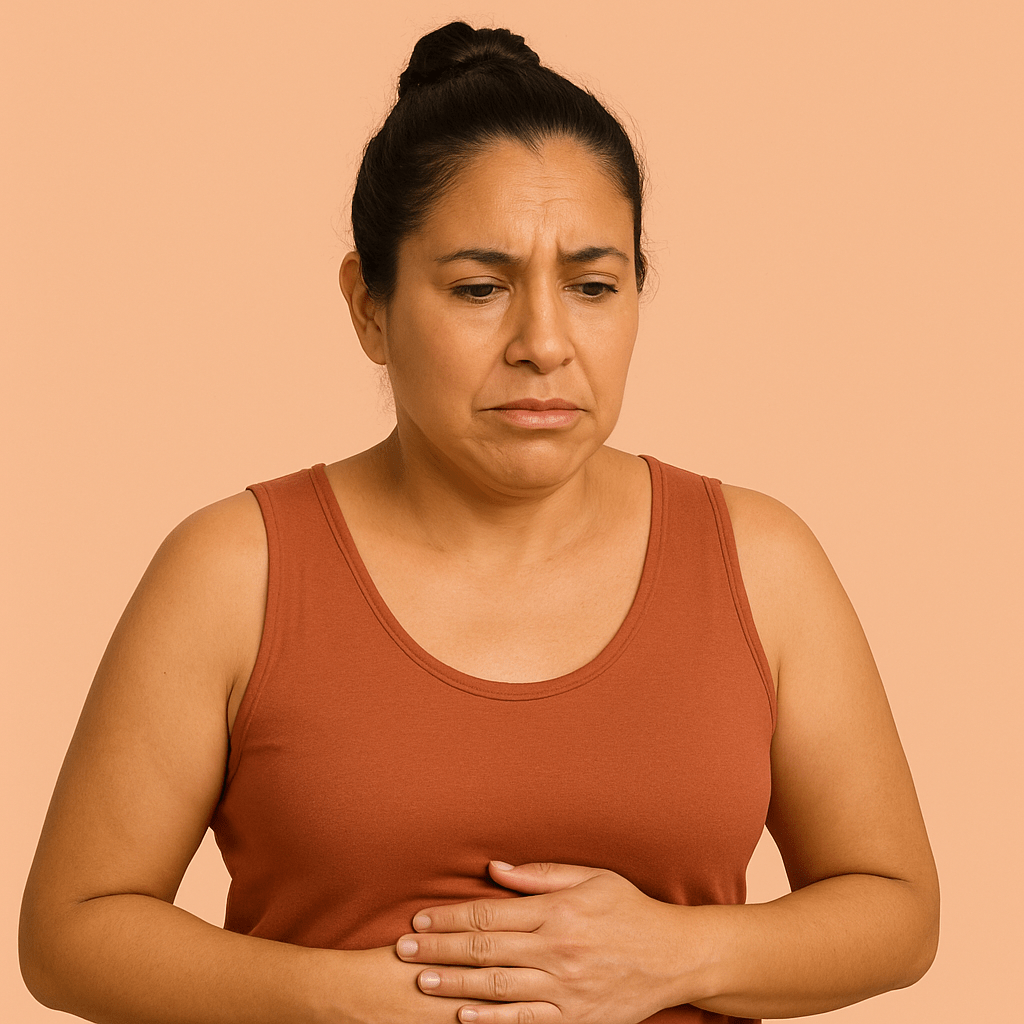
You thought cramps were supposed to end when your periods did. So why are you still doubled over with that familiar aching in your lower belly—sometimes without a period in sight?
If you’re experiencing abdominal cramps during menopause, you’re far from alone. Whether you’re in the thick of perimenopause with its unpredictable cycles, or you’ve officially crossed the menopause finish line, cramping can still show up uninvited. The good news? Understanding why it happens gives you the power to find relief.
In this article, we’ll break down why menopause triggers cramping, what’s normal versus what needs a doctor’s attention, and practical ways to ease the discomfort.
Why Abdominal Cramps Happen During Menopause
To understand menopause cramps, you need to know about prostaglandins—hormone-like chemicals your body produces that trigger uterine contractions. During your reproductive years, prostaglandin levels rise and fall predictably with your cycle. But menopause throws that rhythm off completely.
The Hormone-Prostaglandin Connection
During perimenopause, your estrogen levels don’t decline in a nice, smooth line. They spike and plummet unpredictably, sometimes surging higher than they ever did in your twenties. When estrogen rises, your body releases more prostaglandins, which causes your uterus to contract—and that means cramps.
“High levels of estrogen can cause your body to release prostaglandins, or chemicals that make your uterus contract—also known as having cramps,” explains Dr. Alexa Fiffick, a women’s health specialist at Cleveland Clinic. And here’s the kicker: this can happen whether you’re actually having a period or not.
Perimenopause vs. Postmenopause Cramps
The cause of your cramps often depends on where you are in your menopause journey:
During perimenopause: Hormone fluctuations are the main culprit. Your ovaries are essentially going through their last hurrah, producing estrogen in unpredictable bursts. This hormonal chaos triggers prostaglandin release and cramping—sometimes with a period, sometimes without.
After menopause: Once you’ve gone 12 months without a period, hormone fluctuations settle down. If you’re still experiencing regular cramps at this stage, it’s more likely related to an underlying condition like fibroids, endometriosis, or digestive issues. These cramps deserve a conversation with your doctor.
Can You Have Cramps Without a Period?
Absolutely—and it’s more common than you’d think. Doctors call this “secondary dysmenorrhea,” but you might know it as “phantom period cramps.” It feels exactly like your period is coming, but no bleeding follows.
This happens because hormone fluctuations can trigger prostaglandin release even when your uterine lining isn’t actually shedding. Your body goes through the motions of cramping without the period part.
According to Cleveland Clinic, as many as 78% of women experience longer, heavier, or more painful periods during the menopause transition. And some women who never had significant cramps before start experiencing them for the first time in perimenopause. Your body is nothing if not full of surprises.
Common Causes of Menopause Abdominal Cramps
While hormone fluctuations are the primary driver of perimenopause cramping, several other conditions can cause or worsen abdominal pain during this phase of life.
Hormonal Fluctuations
This is the big one during perimenopause. As your ovaries wind down, estrogen levels become erratic. Those unexpected spikes trigger prostaglandin release, leading to uterine contractions and cramping. The irregular ovulation that comes with perimenopause can also cause mid-cycle pain (called mittelschmerz) that you may not have experienced before.
Gastrointestinal Issues
Here’s something many women don’t realize: estrogen plays a major role in how your digestive system functions. It affects gut motility, pain sensitivity, and even the balance of bacteria in your gut.
When estrogen levels decline, digestion can slow down, leading to bloating, gas, constipation, and yes—abdominal cramping. According to research from Teeside University, 82% of women report digestive symptoms either starting or worsening during perimenopause and menopause.
If you already have irritable bowel syndrome (IBS), you may notice symptoms flaring during this time. Research published in PMC shows that many women with IBS experience worsening abdominal pain around menses and during the menopause transition.
Uterine Fibroids
Fibroids are noncancerous growths in the wall of the uterus. While they typically develop earlier in life, they can persist into perimenopause and continue causing symptoms like cramping, heavy bleeding, and pelvic pressure. The good news is that fibroids usually shrink after menopause when estrogen levels drop, though this doesn’t happen for everyone.
Endometriosis
Endometriosis occurs when tissue similar to the uterine lining grows outside the uterus—on the ovaries, fallopian tubes, or other pelvic structures. While symptoms often improve after menopause, approximately 5% of postmenopausal women still have endometriosis. If you’re taking hormone replacement therapy (HRT), it can sometimes reactivate endometriosis symptoms.
Adenomyosis
With adenomyosis, the tissue that normally lines your uterus grows into the muscular wall of the uterus itself. This can cause cramping, heavy bleeding, and an enlarged, tender uterus. Like fibroids, adenomyosis symptoms typically improve after menopause, though not always completely.
Other Causes to Consider
Abdominal cramping during menopause can also result from:
- Ovarian cysts: According to the American College of Radiology, ovarian cysts account for about one-third of acute pelvic pain cases in peri- and postmenopausal women.
- Urinary tract infections: More common during menopause due to vaginal tissue changes.
- Diverticulitis and other GI conditions: These become more common with age.
- Pelvic inflammatory disease
- Rarely, ovarian or uterine cancer: Cramps alone are not a reason to assume cancer, but persistent or unusual symptoms should be evaluated.
What Do Menopause Cramps Feel Like?
Menopause cramps often feel similar to the menstrual cramps you’ve known your whole life—that dull, throbbing ache in your lower abdomen or pelvis. But there can be some differences.
Many women describe perimenopause cramps as feeling more like “ovary pain”—more localized to one side rather than the central cramping of a typical period. The pain may also radiate to your lower back or thighs.
Because hormone fluctuations can be more dramatic during perimenopause, cramps may actually feel more intense than what you experienced during your reproductive years. They might occur cyclically, around the time your period “should” arrive, or pop up randomly without any predictable pattern.
If your cramps are accompanied by bloating, gas, or changes in bowel habits, the discomfort may be more digestive in nature—though it can be hard to tell the difference.
The Gut-Menopause Connection
Your digestive system and your hormones are more connected than you might realize. Estrogen helps regulate gut motility (how quickly food moves through your system), affects pain sensitivity in the GI tract, and even influences the balance of bacteria in your microbiome.
When estrogen levels decline during menopause, several digestive changes can occur:
- Slower digestion, leading to bloating and constipation
- Increased gut sensitivity
- Less diverse gut microbiome
- More frequent episodes of gas, cramping, and abdominal discomfort
Research on the gut microbiome and menopause shows a bidirectional relationship: healthy estrogen levels support a diverse gut microbiome, while a healthy microbiome helps the body metabolize and recycle estrogen. When menopause disrupts this balance, digestive symptoms often follow.
Stress—which is common during the menopause transition—also impacts gut function through the gut-brain axis. If you’re noticing more digestive upset alongside your other menopause symptoms, you’re not imagining the connection.
How to Find Relief from Menopause Cramps
The good news is that most menopause-related cramping responds well to the same strategies that worked for menstrual cramps—plus a few additions.
Over-the-Counter Pain Relief
Nonsteroidal anti-inflammatory drugs (NSAIDs) like ibuprofen (Advil, Motrin) and naproxen (Aleve) are particularly effective because they actually block prostaglandin production—the root cause of the cramping.
“They can be very helpful for cramping pain, particularly when you take them at the first onset of your symptoms,” notes Dr. Fiffick at Cleveland Clinic. Acetaminophen (Tylenol) can also help with pain but doesn’t address the inflammation.
Heat Therapy
A heating pad, hot water bottle, or warm bath can work wonders. Heat relaxes the uterine muscles and increases blood flow to the area, reducing pain. Research shows heat therapy can be as effective as analgesics for cramping—and there are no side effects to worry about.
Movement and Exercise
It might be the last thing you feel like doing, but gentle movement can actually help. Exercise releases endorphins (your body’s natural painkillers) and improves circulation. Walking, swimming, and yoga are all good options. That said, don’t push through severe pain—listen to your body.
Dietary Adjustments
What you eat can influence cramping, especially if digestive issues are involved:
- Eat smaller, more frequent meals to reduce bloating
- Include magnesium-rich foods like leafy greens, nuts, seeds, and whole grains—magnesium helps relax muscles
- Stay hydrated to support digestion and reduce constipation
- Consider probiotic-rich foods like yogurt, kefir, and sauerkraut to support gut health
- Limit caffeine, alcohol, and processed foods which can worsen symptoms
Stress Management
Stress increases prostaglandin levels and worsens GI symptoms—a double hit for cramping. Techniques like deep breathing, meditation, and yoga can help. Prioritizing sleep also makes a difference, since sleep deprivation amplifies pain perception.
Hormonal Options
If cramps are significantly impacting your quality of life, talk to your doctor about hormonal options. Birth control pills can help regulate the hormone fluctuations that trigger cramping. Hormonal IUDs may be especially helpful for women with endometriosis or adenomyosis. Hormone replacement therapy (HRT) addresses broader menopause symptoms, though it’s not typically the first-line treatment for cramps alone.
When to See a Doctor
While most menopause-related cramping is manageable, some symptoms warrant medical attention. See your doctor if:
- Your cramps are significantly more severe than typical menstrual cramps
- Cramping persists for several days without relief
- You have any vaginal bleeding after menopause (12+ months without a period)
- Cramps are accompanied by heavy or unusual bleeding
- You experience unintentional weight loss, fever, or blood in your urine or stool
- You have severe bloating or abdominal swelling
- You experience sudden, severe, localized pain (especially in the lower right abdomen)
- Cramps are affecting your ability to work, sleep, or enjoy daily activities
Your doctor may recommend tests like a pelvic exam, transvaginal ultrasound, CT scan, or other imaging to identify the cause of your symptoms.
Remember: cramps alone are not a reason to assume the worst. But persistent or unusual symptoms deserve evaluation, and there are effective treatments available.
Frequently Asked Questions
Why am I having cramps during menopause if I’m not getting my period?
During perimenopause, your hormones fluctuate unpredictably. When estrogen surges, it triggers the release of prostaglandins—chemicals that cause uterine contractions. This can happen even when you’re not actually having a period. Doctors sometimes call these “phantom cramps” or secondary dysmenorrhea.
Can menopause cause stomach cramps and bloating?
Yes. Estrogen affects your digestive system, and changing hormone levels can slow gut motility, leading to bloating, gas, and cramping. Research shows that 82% of women report digestive symptoms starting or worsening during perimenopause and menopause.
How long do perimenopause cramps last?
Perimenopause typically lasts 4-8 years, though it varies. Cramping related to hormone fluctuations usually decreases once you’ve fully transitioned through menopause and your hormones stabilize. However, underlying conditions like fibroids or endometriosis may continue causing symptoms.
Are cramps after menopause normal?
Occasional mild cramping can happen, but regular or severe cramping after menopause (when you haven’t had a period for 12+ months) should be evaluated. It could indicate fibroids, endometriosis, GI issues, or other conditions that benefit from treatment.
What helps with menopause cramps naturally?
Heat therapy (heating pad or warm bath), gentle exercise, staying hydrated, eating magnesium-rich foods, and managing stress can all help. Over-the-counter NSAIDs like ibuprofen are also effective because they block prostaglandin production—the underlying cause of the cramping.
Should I be worried about abdominal pain during menopause?
Most menopause-related cramping is not serious and can be managed at home. However, see a doctor if you have severe or persistent pain, any bleeding after menopause, fever, unexplained weight loss, or if cramps significantly affect your daily life. Treatment options are available, and there’s no reason to suffer in silence.
The Bottom Line
Abdominal cramps during menopause are surprisingly common—and usually nothing to worry about. Hormone fluctuations, changes in your digestive system, and underlying conditions can all play a role. The strategies that helped with menstrual cramps (heat, NSAIDs, gentle movement) still work, and there are additional options if symptoms persist.
Most importantly, don’t assume you just have to live with the discomfort. If cramps are affecting your quality of life, talk to your doctor. There’s no medal for suffering through menopause symptoms when relief is available.
Your body is going through a major transition—understanding what’s happening puts you back in control.
This article is for informational and educational purposes only and does not constitute medical advice. The content provided is not intended to be a substitute for professional medical advice, diagnosis, or treatment. Always seek the advice of your physician or other qualified health provider with any questions you may have regarding a medical condition or treatment.
